Hurricane Fabric Screens in Port Charlotte, FL
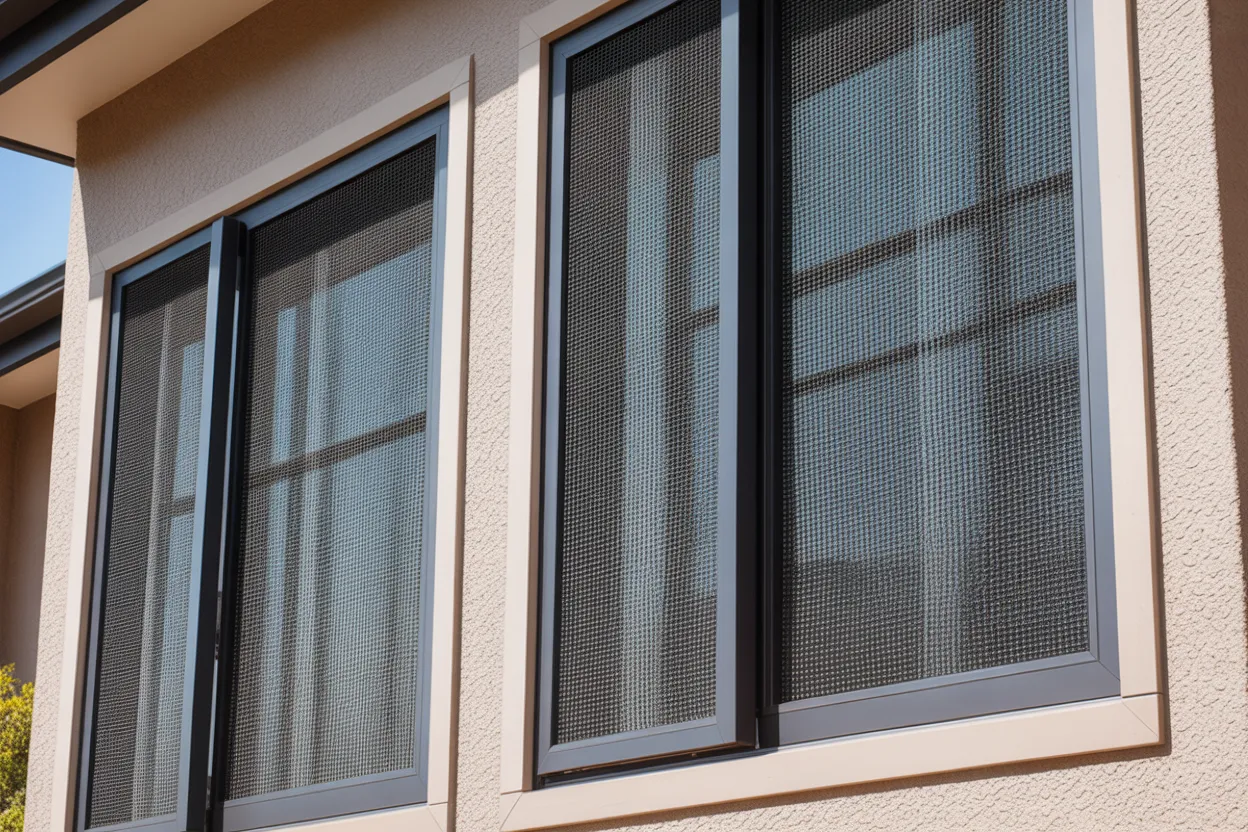
Hurricane fabric screens give you lightweight, code-rated storm protection that's easier to handle than traditional aluminum panels. These high-tenacity fabric panels deploy in pre-installed track systems and meet the same Florida Building Code wind and impact requirements as metal storm panels.
Fabric screens are particularly popular with Port Charlotte homeowners who want storm protection but have concerns about lifting and positioning heavy aluminum panels. The fabric weighs a fraction of what aluminum panels do and stores in much less space.
How Hurricane Fabric Screens Work
The fabric panels attach to a track system permanently mounted around each opening. When a storm approaches, you unroll the fabric from its storage bag, position it in the tracks, and secure it with clips or clamps along the perimeter. The deployed fabric forms a tight barrier over the opening.
When the storm passes, you remove the clips, pull the fabric out of the tracks, and roll it back into its storage bag. The entire process takes 5 to 15 minutes per opening depending on size.
Materials and Engineering
Hurricane fabric screens use high-tenacity polypropylene or polyester blend materials specially engineered for impact resistance. The fabric is UV-stabilized to prevent degradation during storage and deployment.
The weave pattern and fiber strength allow the fabric to absorb and distribute impact energy from flying debris. When struck by a large missile (like a 9-pound 2x4 at 50 feet per second), the fabric may tear but doesn't fail catastrophically like glass would.
Track systems are typically aluminum with stainless steel hardware for corrosion resistance in Charlotte Harbor's salt air environment.
Wind Ratings and Code Compliance
Our fabric screens are rated for 140 to 175+ mph winds when properly installed. They meet Florida Building Code large missile and small missile impact requirements. Miami-Dade Notice of Acceptance is available on qualifying systems for the highest possible rating.
The fabric's flexibility actually helps with wind resistance. Rather than fighting the wind like a rigid panel, fabric screens flex and absorb wind energy while maintaining their attachment to the track system.
Weight and Handling Advantages
A fabric screen for a typical Port Charlotte sliding glass door weighs 3 to 8 pounds compared to 30 to 60 pounds for an equivalent aluminum panel. This makes fabric screens manageable for elderly homeowners, single operators, or anyone with back problems.
The light weight also means less stress on mounting hardware and easier installation of track systems on older homes.
Storage Benefits
Fabric screens store in compact bags that typically measure 2 to 3 feet long and weigh under 10 pounds. An entire home's worth of fabric screens can store in a closet shelf or under-bed space — a huge advantage over aluminum panels that require garage wall racks or dedicated storage areas.
Storage bags are typically water-resistant and protect the fabric from moisture, insects, and rodents during the off-season.
Installation Speed
Fabric screen deployment is typically faster than aluminum panels once you're familiar with the system. There's no wrestling with heavy panels or searching for the right wing nuts. Unroll, position, clip, and you're done.
Many Port Charlotte homeowners can deploy their entire home's fabric screens in 45 minutes to an hour — faster than most other manual hurricane protection systems.
Track Systems
Standard tracks mount to the header, sides, and sill of each opening. The fabric slides into channels and secures with clips along the perimeter. This is the most common residential installation.
Concealed tracks mount inside the opening frame for a cleaner appearance when screens aren't deployed. Concealed tracks cost more but are nearly invisible year-round.
Zip-track systems use a continuous zipper-like mechanism to seal the fabric into the tracks. These provide the tightest seal and fastest deployment but cost significantly more than standard clip systems.
Multi-Opening Applications
Fabric screens work particularly well for large openings like lanai enclosures or walls of sliding doors. A single large fabric panel can cover multiple adjacent openings, eliminating the need for individual panels on each door or window.
This is especially popular for Port Charlotte homes with expansive lanais facing Charlotte Harbor where the homeowner wants unobstructed views when screens aren't deployed.
Maintenance Requirements
Fabric screens require minimal maintenance. After each use, rinse the fabric with fresh water if it was exposed to salt spray or debris. Allow it to dry completely before storing. Check track channels annually and clean out any accumulated debris.
Fabric replacement is typically needed every 10 to 15 years depending on UV exposure and handling. Tracks and hardware often last 20 to 30 years.
Performance in Salt Air
Charlotte Harbor's salt air environment can be challenging for hurricane protection hardware. Fabric screens use corrosion-resistant aluminum tracks and stainless steel clips specifically designed for coastal installation.
The fabric itself is not affected by salt air, giving fabric screens an advantage over metal panels that can corrode over time.
Cost Comparison
Fabric screens typically cost $8 to $18 per square foot installed — falling between aluminum panels and accordion shutters in price. While more expensive than basic aluminum panels, many homeowners find the weight and storage advantages worth the premium.
Installation cost is often lower than other shutter types because fabric screen tracks require fewer and smaller mounting fasteners.
When Fabric Screens Aren't Ideal
Fabric screens may not be the best choice for homes with very large openings where fabric panels become unwieldy, or for homeowners who want the security benefits that solid shutters provide. They're also not suitable for permanent installation — they must be deployed and removed for each storm.
Very high wind areas may be better served by metal shutters, though code-rated fabric screens are tested and approved for Port Charlotte's wind zone.
Professional Installation Services
While fabric screens are designed for homeowner deployment, we offer installation services for elderly homeowners or anyone who wants professional help when a storm is approaching. Pre-season contracts guarantee priority service.
We also provide deployment training so you're comfortable with the system before you need to use it in an emergency.
Warranty and Support
Fabric screens come with manufacturer warranties on both the fabric and track components. We provide ongoing support for deployment questions and can arrange fabric replacement when it reaches end of life.
Track systems are designed to accommodate multiple fabric replacements over their service life, making this a long-term investment.
Free Estimates and Demonstration
Call (941) 267-4171 to schedule a free consultation. We'll measure your openings, demonstrate fabric deployment, explain track options, and provide written pricing. We can also arrange to see fabric screens in action at our showroom or a previous installation.